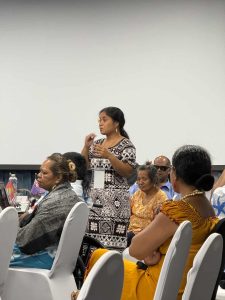
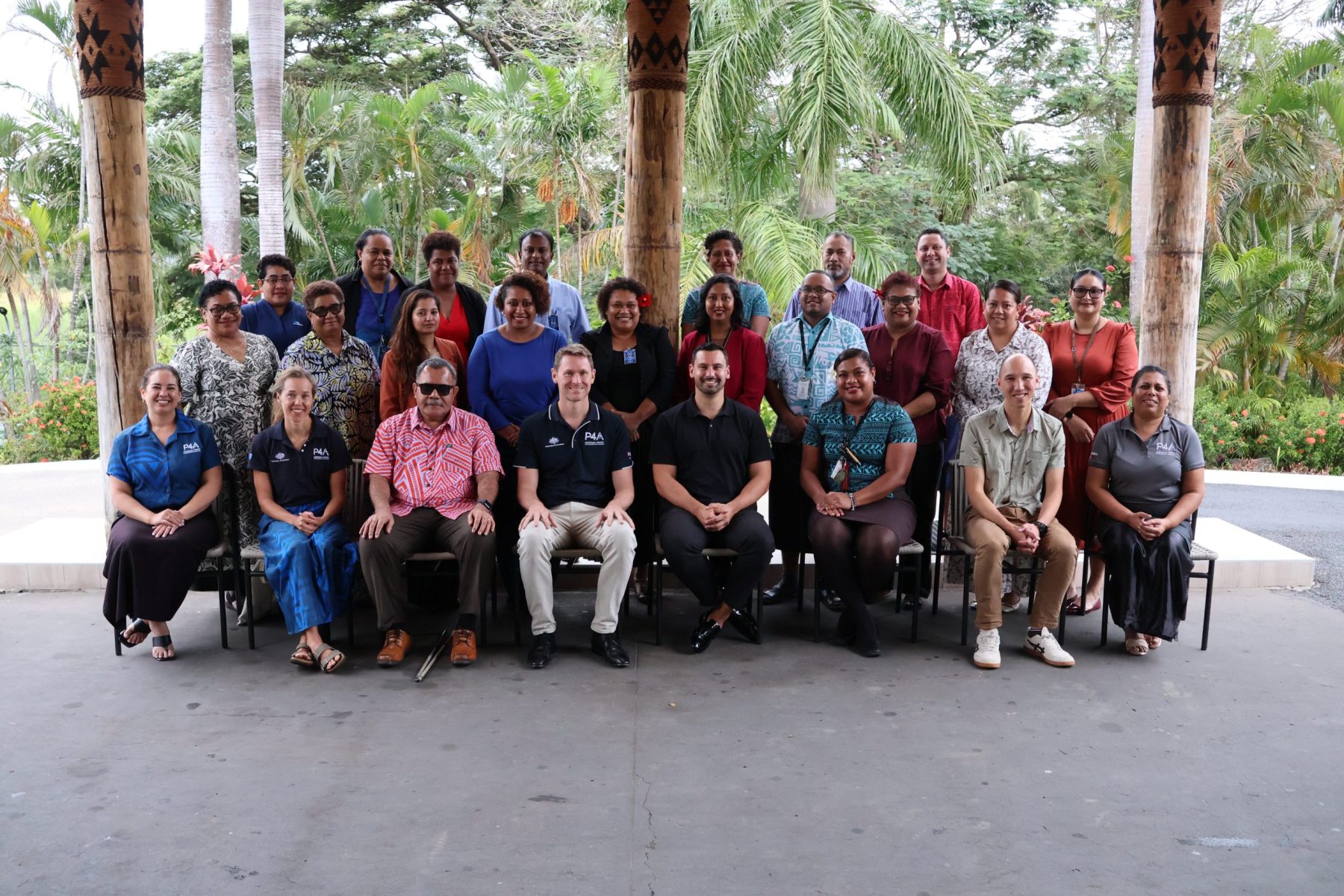
Last week, in Nadi, a workshop to develop a Fiji Aviation Child Safeguarding Inter-Agency Framework bought together safety and compliance, human resources, customer service, legal and policy representatives from Air Terminal Services (Fiji) Pte Ltd, Fiji Airways and Fiji Airports Limited, to collaborate and build a shared understanding of child safeguarding risks in aviation and transit environments for children, particularly for unaccompanied minors and children with disabilities.
The workshop builds on the Child Safeguarding in Aviation Awareness Workshop held in May and on the findings of confidential safeguarding assessments undertaken by participating agencies, discussions focused on identifying system-wide risks, clarifying roles and responsibilities across organizations, and developing practical mechanisms for collaboration and response.
Children interact with aviation in many ways—from booking and check-in, to moving through terminals, waiting, eating, playing, boarding aircraft, travelling independently, and navigating unfamiliar environments. For some children, particularly unaccompanied minors and children with disabilities, these journeys can involve increased vulnerability. While safety has always been central to aviation, this initiative recognizes that child safeguarding should be too.
The Inter-Agency Framework Workshop translates the learnings from the awareness workshop into a coordinated framework that strengthens safeguarding across the entire aviation journey.
Participants examined opportunities to strengthen inclusive and accessible travel experiences, improve reporting and referral pathways, and ensure safeguarding considerations are embedded across airport, airline, and terminal operations.
The workshop was facilitated by the Australian Childhood Foundation, in collaboration with the Fiji Ministry of Women, Children and Social Protection, Frank Hilton Organization, and the Fiji Disabled Peoples Federation, with support from the Australia–Pacific Partnerships for Aviation (P4A) program.
The P4A program works with Pacific partners to strengthen aviation skills, systems, and leadership through education and training, supporting safe, reliable, resilient, and sustainable aviation across the region.