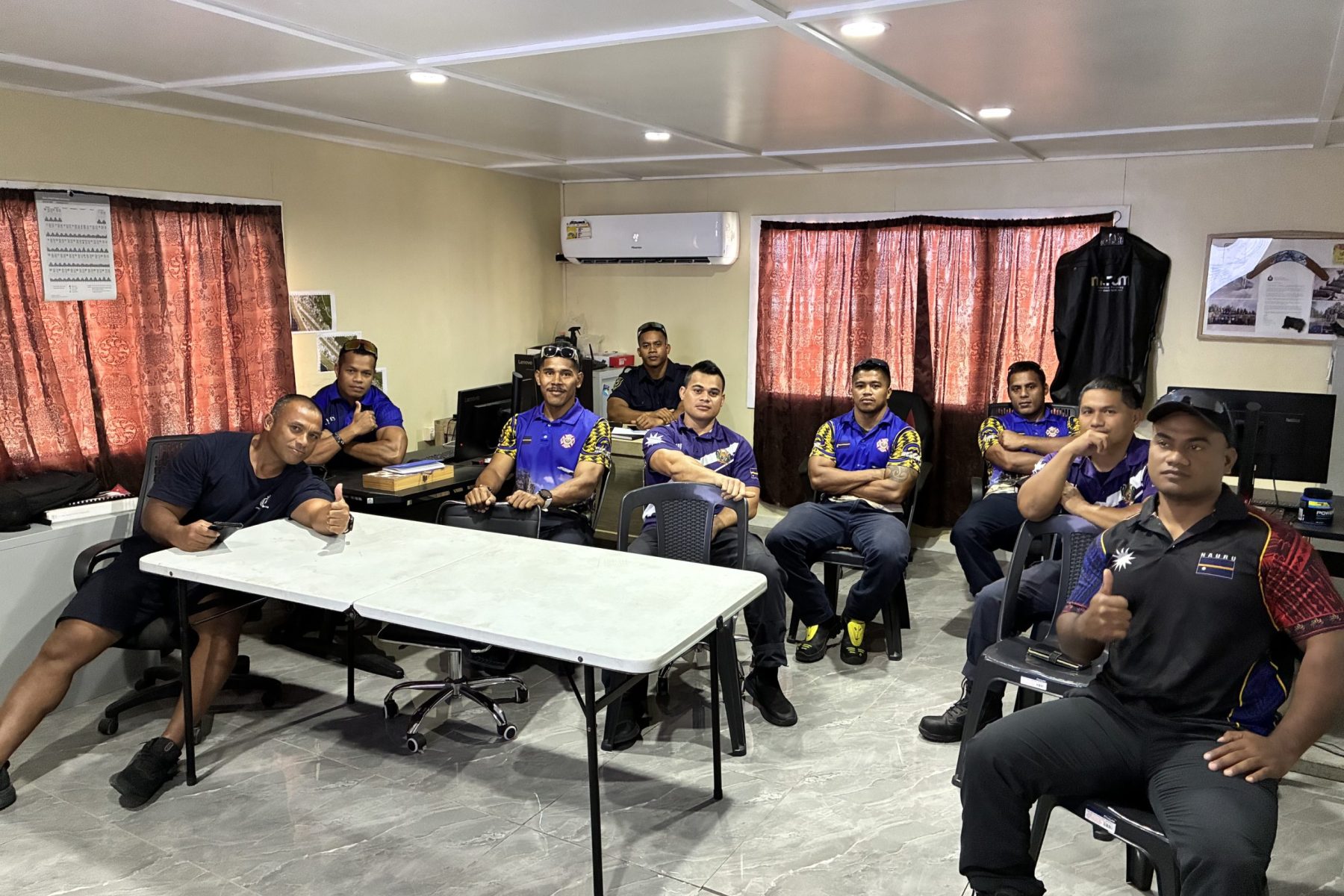
Timely technical advice helped turn an urgent need at Naoero International Airport into rapid action allowing coordinated support.
Naoero International Airport required an urgent replacement of its Aviation Rescue and Firefighting (ARFF) vehicles in order to maintain full airport operations. Without which, resulting delays would have led to ongoing disruptions to Naoero’s connectivity and access to essential services.
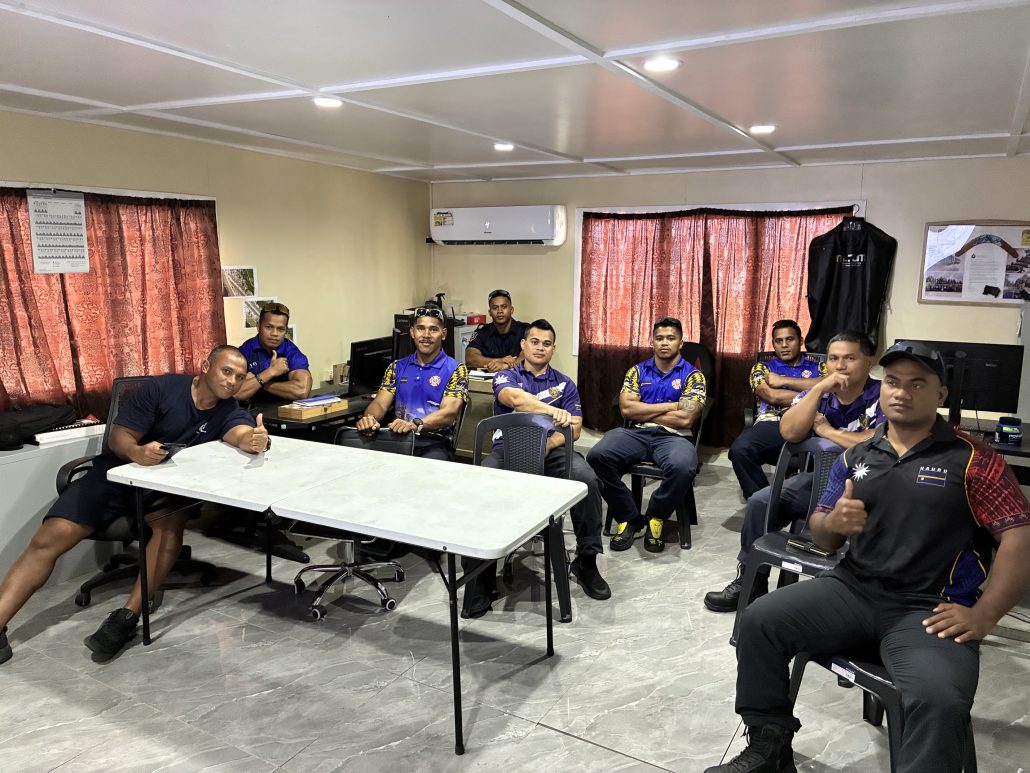
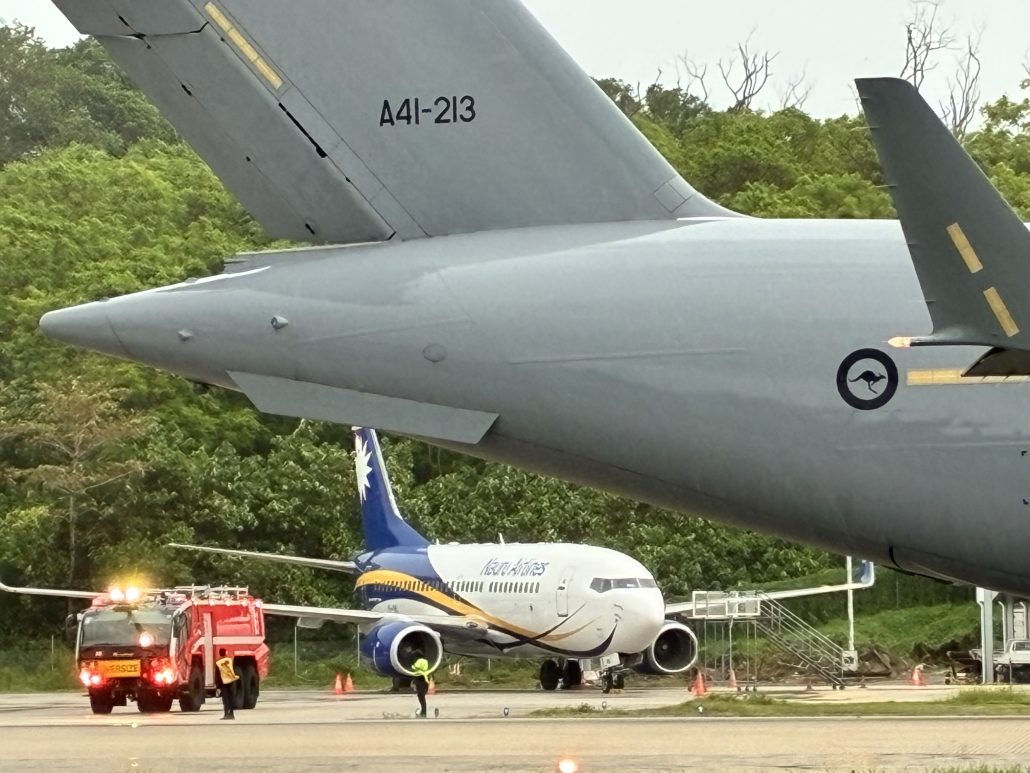
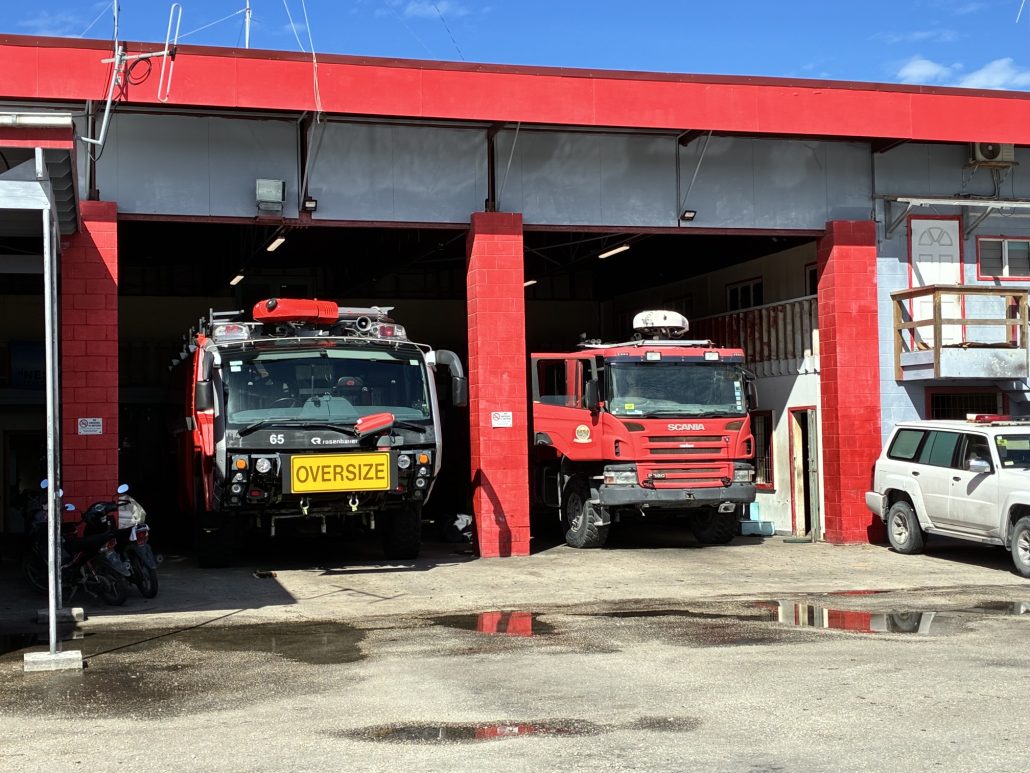
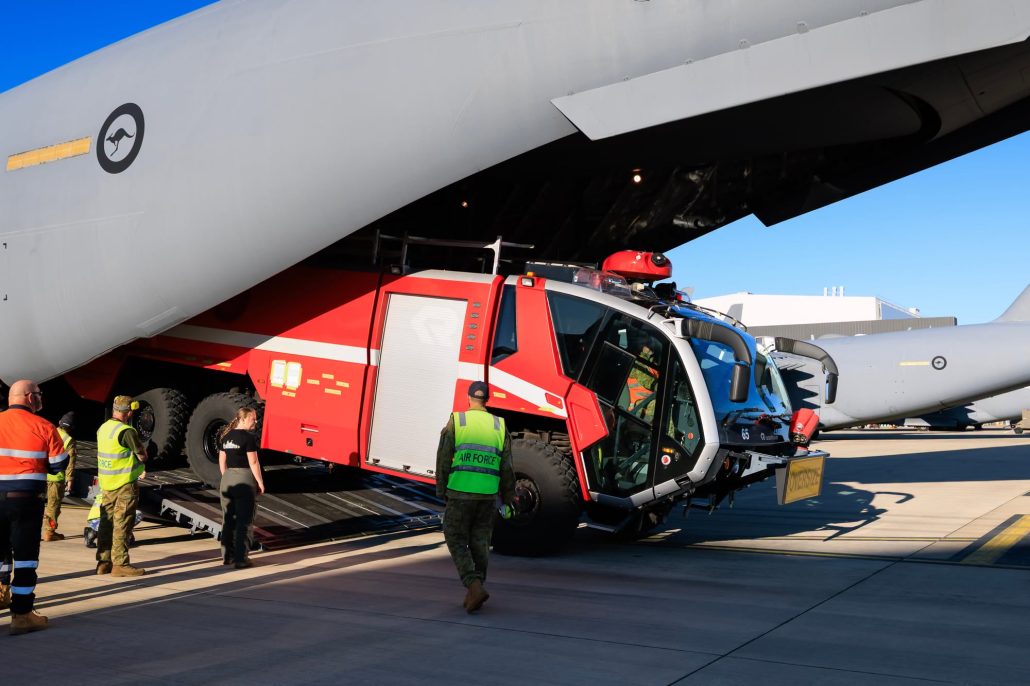
The Australian Government, through the Australia-Pacific Partnerships for Aviation (P4A) program, provided technical ARFF expertise to help Naoero respond to this significant challenge. P4A supported Naoero Emergency Services with emergency firefighting supplies and the rapid deployment of an adviser to Naoero. This technical advice was part of a broader Australian Government effort to provide two ARFF vehicles to Naoero, and arrange their timely transportation to Naoreo via the Royal Australian Air Force C-17A Globemaster III, as well as wrap-around support including spare parts and training.
Gopikrishna Narayan Director of Civil Aviation, Department of Transport, Naoero said, “As a small Island nation, support like this makes a real difference. We are very grateful to the Australian Government and Defence for their assistance. It strengthens our emergency response capability and also helps us continue building the skills and capacity we need to keep aviation in Naoero safe and reliable. Aviation is extremely important for Naoero. Anything that strengthens the safety and resilience of our airport ultimately benefits our passengers, airlines and the wider community.”
Sustaining safe aviation services requires ongoing investment in people, equipment, training, maintenance and systems.
James Ramsay, Executive Director of the P4A program said, “Aviation is a lifeline for Naoero as it is for the rest of the Pacific. It was great to see a coordinated effort across government and with our partners in Naoero to put together a rapid solution to an acute challenge.”
The P4A program also supports ARFF capability through technical exchanges and staff training, enabling Pacific aviation personnel to share expertise, strengthen practical skills and build long-term emergency response capacity.
Together, these investments in equipment, people, and partnerships are helping build safer aviation systems across the Pacific.